
Menu close
X

1
2

3

Shelter & Vernacular
On the creative use of available resources – natural disasters worldwide, climate change and armed conflicts are making the term “shelter”, as a synonym for refuge, sanctuary or housing, ever more pressing. According to UN estimates (2019), 65 million refugees are in need of accommodation. At the same time, the world’s population continues to grow – to an expected 10 billion people or so by the end of this century. Creating sustainable, affordable and adequate housing is therefore one of the greatest international challenges of our time.
Can traditional building methods, which are increasingly being pushed aside worldwide, offer inspiration here? Or the spontaneous and creative solutions often found in the houses and huts of so-called slums? In any case, both approaches are usually characterised by a resource-saving use of available, often natural materials and by ingenious recycling.
The artist Markus Heinsdorff and the architect and author Christian Schittich have both been exploring these two themes in the medium of photography for decades. On numerous journeys to the most diverse regions of the world, they have collected a wealth of fascinating examples.
The exhibitions thus shed light on the theme “Einfach Bauen” from two different, complementary perspectives – that of the artist and that of the architect.
BYAK exhibition hall – art print on paper banners (enhanced) with 120 (2 × 60) photographs and descriptions, dimensions 122 × 85 cm
TUM-Baustoffsammlung – print on recycled honeycomb cardboard with 120 (2 × 60) photographs and descriptions, dimensions 40.6 × 30.6 cm
Exhibition project with Christian Schittich.
Exhibitions
CREA Cantieri del Contemporaneo, Giudecca, Venice, 2021; Faculty of Architecture, Technical University of Munich (TUM), 2018; Bavarian Chamber of Architects (BYAK) at Auf AEG, Nuremberg, 2018
In the exhibitions, each author showed up to 60 photographs with accompanying texts on various themes, including wood, bamboo, grass, clay, brick, stone, water and corrugated iron.
Exhibition: “Shelter & Vernacular”
4
1
2
3
Shelter & Vernacular
On the creative use of available resources – natural disasters worldwide, climate change and armed conflicts are making the term “shelter”, as a synonym for refuge, sanctuary or housing, ever more pressing. According to UN estimates (2019), 65 million refugees are in need of accommodation. At the same time, the world’s population continues to grow – to an expected 10 billion people or so by the end of this century. Creating sustainable, affordable and adequate housing is therefore one of the greatest international challenges of our time.
Can traditional building methods, which are increasingly being pushed aside worldwide, offer inspiration here? Or the spontaneous and creative solutions often found in the houses and huts of so-called slums? In any case, both approaches are usually characterised by a resource-saving use of available, often natural materials and by ingenious recycling.
The artist Markus Heinsdorff and the architect and author Christian Schittich have both been exploring these two themes in the medium of photography for decades. On numerous journeys to the most diverse regions of the world, they have collected a wealth of fascinating examples.
The exhibitions thus shed light on the theme “Einfach Bauen” from two different, complementary perspectives – that of the artist and that of the architect.
BYAK exhibition hall – art print on paper banners (enhanced) with 120 (2 × 60) photographs and descriptions, dimensions 122 × 85 cm
TUM-Baustoffsammlung – print on recycled honeycomb cardboard with 120 (2 × 60) photographs and descriptions, dimensions 40.6 × 30.6 cm
Exhibition project with Christian Schittich.
Exhibitions
CREA Cantieri del Contemporaneo, Giudecca, Venice, 2021; Faculty of Architecture, Technical University of Munich (TUM), 2018; Bavarian Chamber of Architects (BYAK) at Auf AEG, Nuremberg, 2018
In the exhibitions, each author showed up to 60 photographs with accompanying texts on various themes, including wood, bamboo, grass, clay, brick, stone, water and corrugated iron.
Exhibition: “Shelter & Vernacular”
4

5

6
7

01 – Residential building of corrugated iron and wood with a load-bearing structure of thin square timbers and a shop front of removable boards in north-east India.
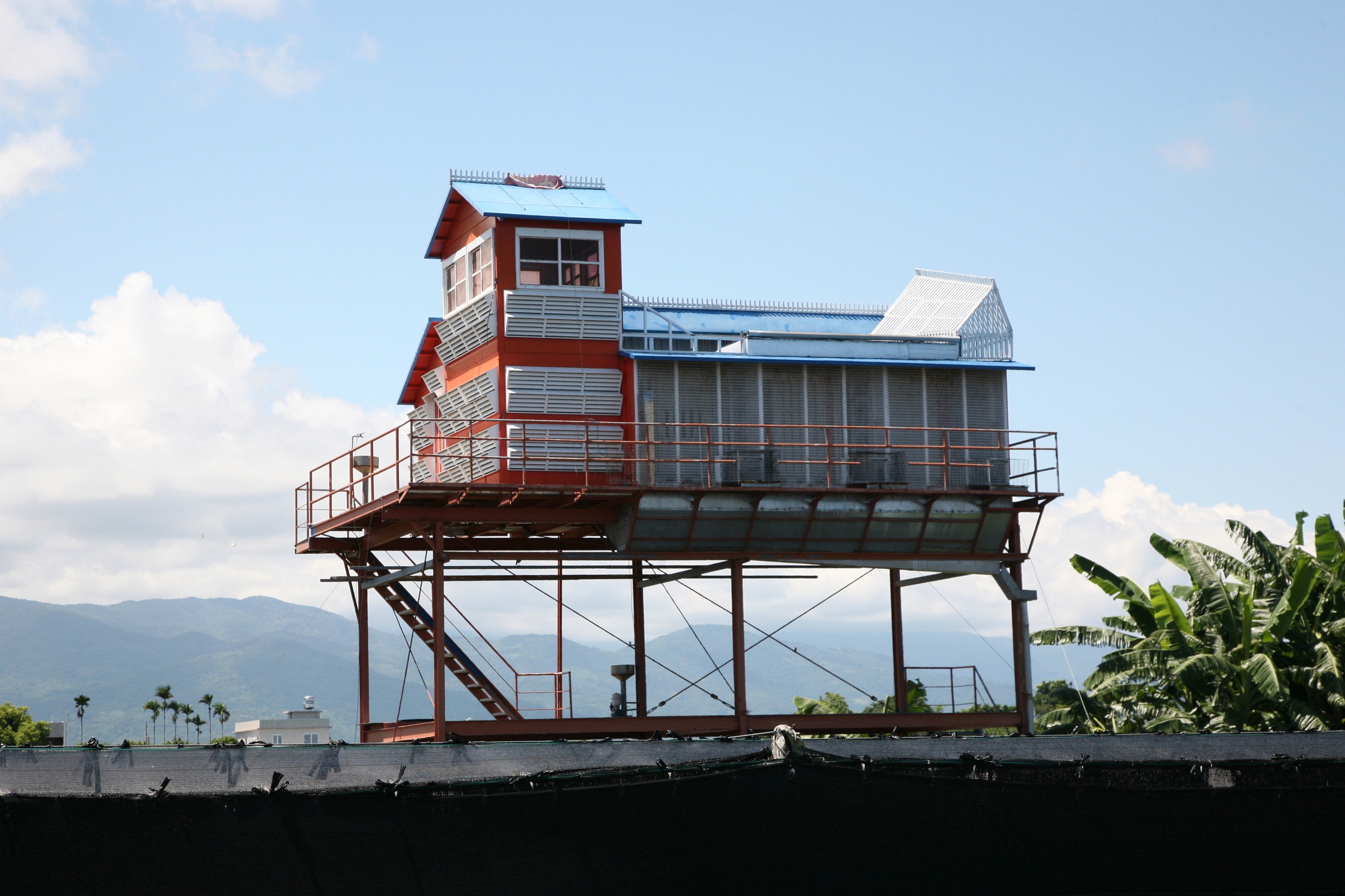
02 – Pigeon house with a lookout tower made of sheet metal, built on stilts above a residential building, in Taiwan.
03 – Living and trading place for bamboo with houses made of bamboo, wood, grass and tarpaulins. The bamboo is transported on large rafts along the adjacent river from the forest to the trading place.
04 – Simple overnight house made of grass and bamboo, built with materials from the immediate surroundings, in north-east India.
05 – Floating houses and fish farms made of wood, bamboo and corrugated iron on a lake in northern Thailand.
06 – Houseboats made of wood, corrugated iron and tarpaulins for living and for transport on the Red River in Hanoi, Vietnam.
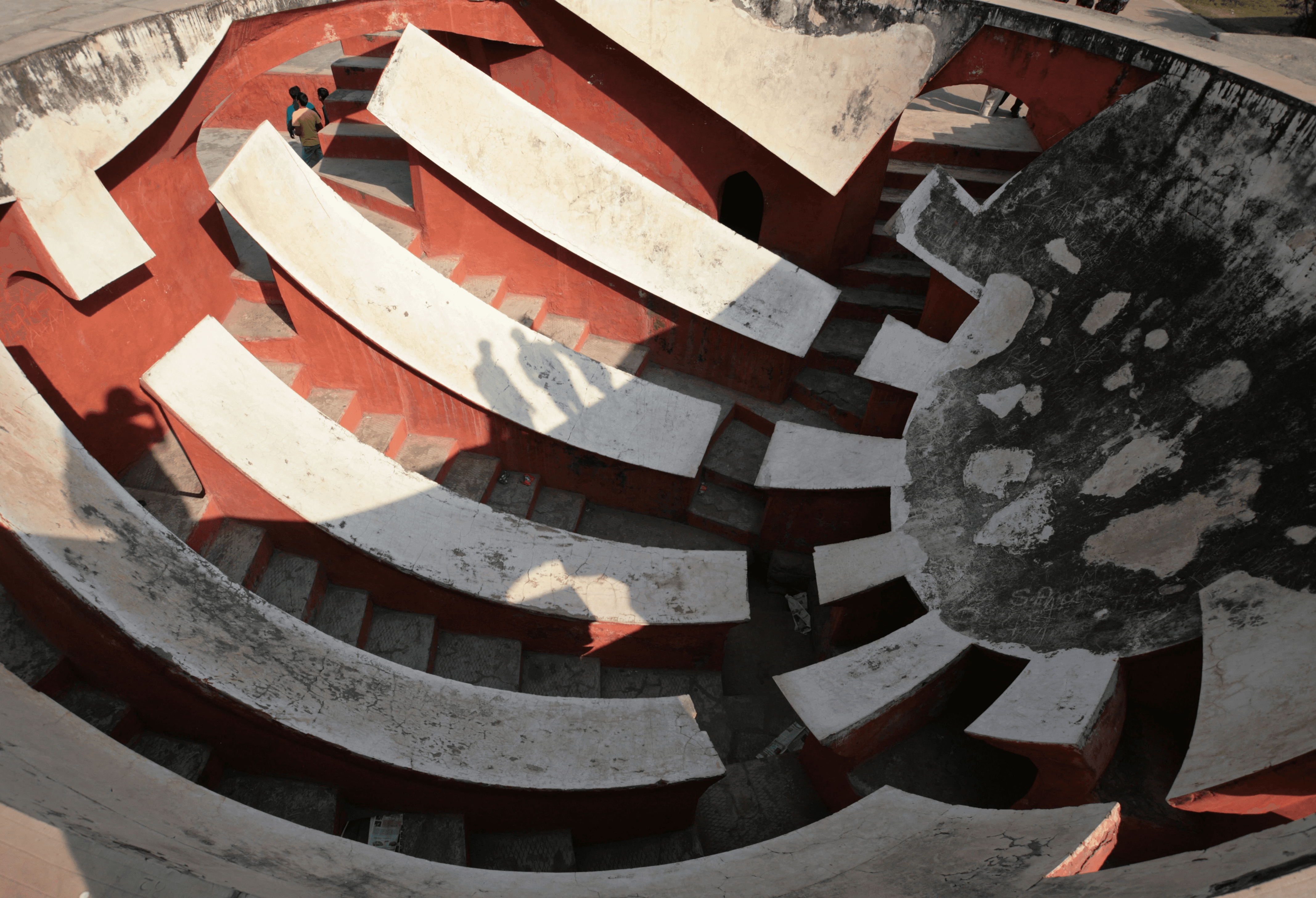
07 – Large building in the form of a sundial made of stone and clay in Delhi, India.
08 – Traditional clay buildings with vaulted rooms and windcatcher towers made of clay and stone in Yazd, Iran.
09 – Tree houses made of bamboo with palm-frond roofs on a tea plantation in Assam, India.
10 – Theme “Sitting”: chairs made of woven bamboo and of straight and bent bamboo rods in Yunnan, China.

9

5
6
7
01 – Residential building of corrugated iron and wood with a load-bearing structure of thin square timbers and a shop front of removable boards in north-east India.
02 – Pigeon house with a lookout tower made of sheet metal, built on stilts above a residential building, in Taiwan.
03 – Living and trading place for bamboo with houses made of bamboo, wood, grass and tarpaulins. The bamboo is transported on large rafts along the adjacent river from the forest to the trading place.
04 – Simple overnight house made of grass and bamboo, built with materials from the immediate surroundings, in north-east India.
05 – Floating houses and fish farms made of wood, bamboo and corrugated iron on a lake in northern Thailand.
06 – Houseboats made of wood, corrugated iron and tarpaulins for living and for transport on the Red River in Hanoi, Vietnam.
07 – Large building in the form of a sundial made of stone and clay in Delhi, India.
08 – Traditional clay buildings with vaulted rooms and windcatcher towers made of clay and stone in Yazd, Iran.
09 – Tree houses made of bamboo with palm-frond roofs on a tea plantation in Assam, India.
10 – Theme “Sitting”: chairs made of woven bamboo and of straight and bent bamboo rods in Yunnan, China.
9
8
10
8
10
8
10
©
2026
Markus Heinsdorff Copyright.
©
2026
Markus Heinsdorff Copyright.
©
2026
Markus Heinsdorff Copyright.
©
2026
Markus Heinsdorff Copyright.